

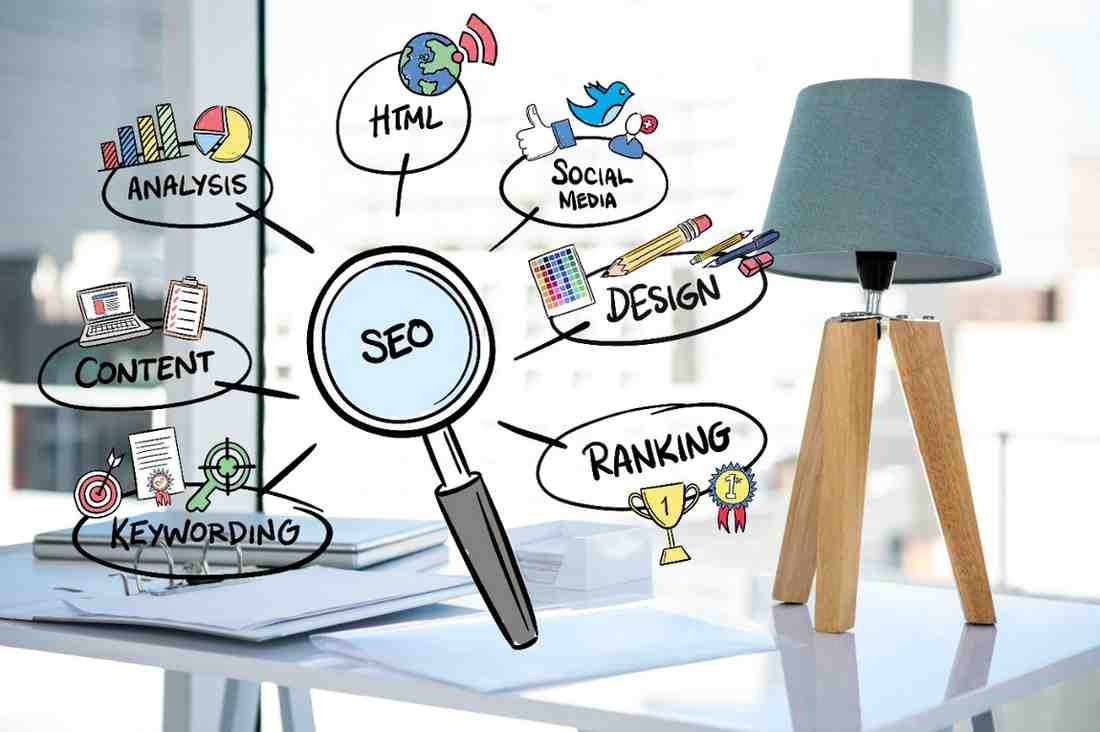
A Brief About Search Engine Optimization
In today’s digital world, having a website is not enough. Just creating a website doesn’t guarantee that people will visit it. With millions of websites online, the competition is tough, and only those who appear on the first page of search engines like Google get noticed. This is why SEO (Search Engine Optimization) has become one of the most important strategies for any website, business, or online platform.
SEO is the process of optimizing your website so that it ranks higher in search engine results for specific keywords related to your business. It’s not a temporary trick or a shortcut; it’s a long-term strategy that helps your website gain visibility, attract more visitors, and convert them into customers.
Following a proper on page seo checklist helps ensure that all essential optimization elements are correctly implemented for better search engine performance.
In this blog, we will explore why SEO is important, how it benefits businesses and websites, and the key strategies that make it effective.
1. SEO Increases Website Visibility
The primary goal of SEO is to make your website visible to your target audience. When someone searches for a product, service, or information, they rarely scroll past the first page of search results. Appearing on the first page increases the chances that people will click on your website.
Higher visibility leads to more traffic, which means more potential customers and more opportunities for growth. Without SEO, your website may remain invisible to the people who are actively searching for what you offer.
2. SEO Brings Targeted Traffic
Unlike paid ads, SEO attracts organic traffic—people who are already looking for what you provide. This traffic is highly targeted because it comes from search queries that match your website content.
For example, if you run an online store selling outdoor furniture, a user searching for “best garden chairs” is likely to visit your website if it ranks high for that keyword. Unlike random traffic, this audience is more likely to engage with your content, explore products, and make a purchase.
3. SEO Builds Trust and Credibility
When your website appears on the first page of search results, users automatically associate it with credibility. Google ranks websites based on authority, relevance, and quality. Therefore, being on top signals to users that your business is trustworthy and professional.
Trust and credibility are essential for any business. A strong SEO strategy ensures that your website not only ranks higher but also leaves a positive impression on visitors.
4. SEO Improves User Experience
Good SEO is not just about keywords and backlinks. It also involves improving the user experience (UX) of your website. A well-optimized website loads faster, is mobile-friendly, has a clear navigation structure, and provides easy-to-read content.
When users find your website easy to navigate and informative, they spend more time exploring it, which further improves your rankings. Search engines consider user experience as a ranking factor, so SEO and UX go hand in hand.
5. SEO Provides Long-Term Results
One of the biggest advantages of SEO is its long-term impact. Unlike paid advertising, which stops bringing traffic once you stop paying, SEO keeps working over time.
Consistently publishing high-quality content, building backlinks, and optimizing your website ensures that your rankings remain stable and your traffic grows naturally. Over time, SEO can become one of the most cost-effective ways to attract visitors and generate leads.
6. SEO Helps You Beat the Competition
In every industry, your competitors are likely investing in SEO. If you ignore SEO, you risk losing potential customers to competitors who appear on the first page.
By optimizing your website and targeting the right keywords, you can outrank competitors, attract more organic traffic, and establish your brand as a leader in your niche.
7. SEO Supports Other Marketing Strategies
SEO works well with other digital marketing strategies like content marketing, social media, and email marketing. When your content ranks high on search engines, it gains more exposure and increases the effectiveness of your other marketing efforts.
For example, a well-optimized blog post can be shared on social media, included in email newsletters, and referenced in other content to attract more visitors. SEO amplifies your overall marketing reach.
8. SEO Is Cost-Effective
Compared to paid advertising, SEO is highly cost-effective. While it may take time to see results, the traffic you gain through SEO is organic and free. Over the long term, SEO can deliver a higher return on investment (ROI) than many paid marketing methods.
Investing in SEO ensures that your website continues to generate traffic and leads without continuously spending on ads.
9. SEO Helps Local Businesses Grow
Local SEO is particularly important for small and local businesses. When users search for services “near me,” Google shows local results based on location. Optimizing your website for local SEO helps your business appear in these searches and attract customers from nearby areas.
Key elements of local SEO include:
- Google Business Profile optimization
- Local keywords in your content
- Customer reviews and ratings
- Local backlinks and citations
By focusing on local SEO, you can dominate searches in your area and drive foot traffic to your business.
10. SEO Provides Measurable Results
With tools like Google Analytics and Google Search Console, SEO provides measurable results. You can track metrics like traffic, keyword rankings, bounce rate, conversion rate, and more. This allows you to see which strategies are working and make data-driven decisions to improve performance.
Unlike traditional marketing, SEO lets you measure ROI accurately and continuously optimize your website for better results.
11. SEO Builds Brand Awareness
Even if users do not click on your website the first time, appearing on the first page increases brand visibility. People start recognizing your brand name, which builds awareness and familiarity over time.
As more users see your brand in search results, they are more likely to remember it and visit your website later. SEO helps in establishing a strong online presence and growing brand recognition.
12. Key Strategies to Implement SEO Effectively
To reap the benefits of SEO, it’s important to follow a comprehensive strategy:
On-Page SEO
- Optimize titles, headings, and meta descriptions
- Use keywords naturally in content
- Add alt text to images
- Internal linking between pages
Off-Page SEO
- Build quality backlinks from reputable websites
- Guest posting and collaboration
- Social media promotion
- Online mentions and reviews
Technical SEO
- Improve website speed
- Mobile-friendly design
- Secure HTTPS connection
- Clean URL structure and proper sitemaps
Content Strategy
- Create original, helpful, and engaging content
- Update old content regularly
- Use blogs, guides, and videos to attract visitors
Conclusion
SEO is no longer optional—it is essential for anyone who wants to succeed online. It increases website visibility, attracts targeted traffic, builds trust, improves user experience, and provides long-term, measurable results. Whether you run a small local business or a large online store, investing in SEO is one of the smartest decisions you can make for growth and sustainability. You can invest in SEO by hiring an SEO Expert such as us, Pro SEO Freelancer.
By following proper SEO strategies and continuously optimizing your website, you can outrank competitors, establish your brand, and connect with your audience effectively.
In short, SEO is the backbone of online success, helping your website grow, your business expand, and your brand become more recognized and trusted by users worldwide.